
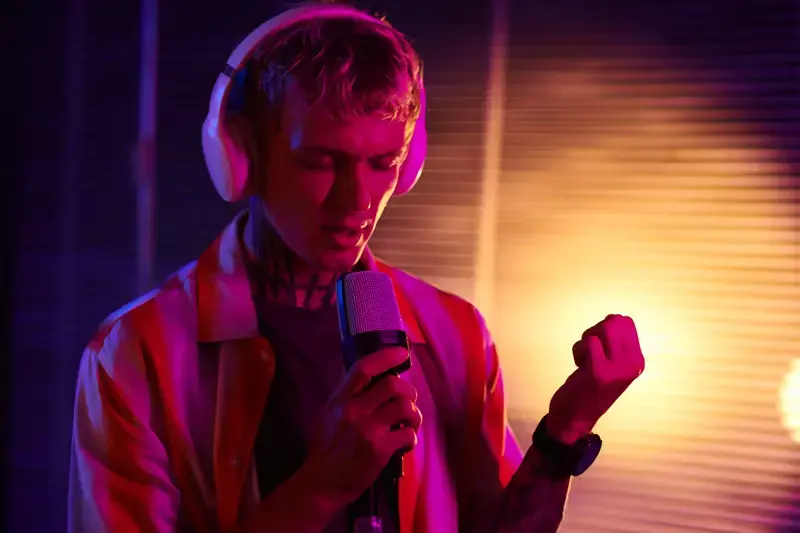
The music industry trends 2026 are being shaped by artificial intelligence, changing streaming economics, and the growing value of live music experiences. Artists and music businesses are using new technology to create and promote music, while audiences are demanding more personal connections with the people behind their favorite songs. These changes are creating new opportunities, but they are also raising questions about ownership, fair payment, and the future of creative work.
The music business is no longer built around one path from recording to radio to album sales. Streaming platforms, social media, independent distribution, live events, and direct fan communities now influence how music reaches listeners. Understanding these developments helps artists, labels, producers, promoters, and music fans make sense of an industry that continues to change.
How Is Artificial Intelligence Changing Music Composition in 2026?
Artificial intelligence is changing how music is written, produced, edited, and prepared for release. Instead of being limited to experimental software, AI tools are becoming part of everyday production workflows. Musicians can use them to develop musical ideas, test arrangements, improve sound quality, and complete technical tasks more efficiently.
One important distinction is the difference between AI-assisted music and fully AI-generated music. In an assisted workflow, a human artist remains responsible for the creative direction. They may use AI to suggest chord progressions, generate a drum pattern, clean up vocals, or explore different arrangements. Fully generated music, by contrast, can be produced with limited direct musical input from a person.
The latest independent music industry research suggests that many artists use AI as a production assistant rather than a complete replacement for their creative work. Ditto Music’s 2026 Independent Music Report found that composition and production were the most common AI applications among surveyed AI-using artists. Songwriting assistance and fully AI-generated music were also reported, but less frequently.
Why Are Musicians Using AI Production Tools?
AI tools can reduce the time needed for repetitive production work. A producer might use automated mastering to prepare a rough mix, then make manual adjustments to preserve the intended sound. A songwriter could ask a tool to suggest alternative lyrical directions before rewriting the material in their own voice.
These tools can also help independent artists who cannot afford large recording teams. A musician working from a home studio may use AI-assisted noise reduction, vocal separation, or mixing support to improve a recording before release.
However, speed does not automatically produce quality. AI-generated suggestions can sound repetitive, lack emotional detail, or imitate familiar musical patterns. Artists still need to make decisions about melody, lyrics, performance, arrangement, and overall identity.
For this reason, music industry trends 2026 point toward collaboration between human creativity and technical tools, rather than a simple replacement of musicians.
What Are the Copyright and Ownership Concerns Around AI Music?
Copyright is one of the most important questions surrounding AI composition. Generative systems may be trained using large collections of recorded music, raising concerns about whether creators gave permission for their work to be used. Artists also want clarity about who owns a track when AI contributes to its composition or production.
Record companies are exploring licensing arrangements with AI developers that respect the rights of music creators. The IFPI Global Music Report 2026 identifies responsible AI partnerships and licensing as important parts of the industry’s next stage.
For working musicians, clear agreements are essential. Before releasing AI-assisted material, artists should understand the tool’s terms, the permitted uses of generated content, and any restrictions on commercial distribution. Keeping records of human contributions and production decisions can also help clarify ownership.
How Is Streaming Economics Changing the Music Business?
Streaming remains the main source of recorded music revenue. However, the business model is changing as platforms compete for subscribers, artists seek fairer compensation, and listeners develop new habits.
According to the IFPI Global Music Report 2026, global recorded music revenue reached $31.7 billion in 2025, an increase of 6.4%. Streaming generated 69.6% of that revenue, while paid subscription streaming revenue grew by 8.8%. The report also recorded 837 million users of paid music streaming subscription accounts.
These figures show why streaming remains central to the music industry trends 2026 discussion. It gives listeners convenient access to enormous music libraries and gives artists a route to international audiences. Yet high listening numbers do not guarantee substantial income for every musician.
Why Are Streaming Royalties Still a Concern for Artists?
Most streaming platforms distribute revenue through complex agreements involving rights holders, labels, publishers, distributors, and other parties. The amount an artist receives depends on factors such as their recording contract, ownership share, publishing arrangements, and the platform’s payment model.
This can create a gap between popularity and earnings. An independent musician may attract thousands of streams but receive relatively little income after distribution fees, production expenses, and other costs. A signed artist may also have to recover advances or other contractual expenses before receiving certain payments.
Research from the Oxford Internet Institute highlights this concern. Its 2026 report on musicians in the platform and AI era found that 83% of surveyed musicians were dissatisfied with their streaming royalties. It also found that 81% considered streaming important to their careers, even though fewer than half felt their situation had improved because of it.
Are Streaming Platforms Changing How Fans Discover Music?
Music discovery increasingly happens through recommendation systems, personalized playlists, short-form video, and social media. Listeners can move from a short clip to a full song within seconds. This creates opportunities for lesser-known musicians to reach audiences beyond their local markets.
Streaming volume is also continuing to grow. Luminate’s 2026 midyear report recorded 2.8 trillion global on-demand audio streams in the first half of the year, up 9.8% from the same period in 2025.
However, discovery is not always predictable. A track can become popular because of a short video trend, a playlist placement, a creator recommendation, or a connection with a particular audience. Artists therefore need to build more than one promotional channel.
The strongest music industry trends 2026 strategies combine streaming distribution with social content, email lists, live performances, and direct fan communication.
Why Are Live Music Tours Becoming More Important?
Live music is becoming an increasingly important part of an artist’s business. Streaming helps musicians reach listeners, but concerts give fans an experience that cannot be fully reproduced through a phone or computer. Seeing a performance, sharing the atmosphere with other fans, and interacting with an artist can create a stronger emotional connection.
Live shows also provide revenue opportunities beyond recorded music. Depending on the event, artists may earn through ticket sales, merchandise, VIP packages, sponsorships, and other partnerships.
PwC’s 2026 Global Entertainment and Media Outlook projects that global live music revenue will continue growing, reaching more than $41.5 billion by 2030. Its forecast reflects continued demand for live entertainment, although growth is expected to moderate from the immediate post-pandemic recovery period.
Why Are Concert Experiences Becoming More Personal?
Audiences increasingly expect more than a standard performance. Some artists offer smaller acoustic sessions, meet-and-greet opportunities, exclusive merchandise, themed events, or special fan experiences. These additions can make a concert feel more personal and encourage fans to stay connected after the event.
Technology also plays a role. Mobile ticketing, digital event information, cashless payments, and online fan communities can improve the experience before and after a show. Some tours use large visual displays, interactive stage elements, and carefully designed lighting to create a distinctive atmosphere.
Still, technology should support the performance rather than distract from it. A strong live show depends on musical quality, stage presence, sound, and a clear connection with the audience.
What Challenges Are Making Touring More Difficult?
Touring can be expensive, particularly for independent artists and smaller acts. Transport, accommodation, crew wages, equipment hire, insurance, venue costs, and promotion all affect the final budget. A tour that sells a large number of tickets can still produce limited profit if expenses are poorly managed.
Independent musicians face particular pressure because they may not have the financial support or negotiating power available to established performers. Ditto Music’s 2026 report found that 82% of surveyed artists who perform live said they could not afford touring. The report also identified financial pressure as a major concern for independent musicians.
As a result, music industry trends 2026 include more careful tour planning. Artists may choose regional runs, smaller venues, shared bills, and limited appearances instead of committing to expensive international schedules.
How Are Independent Artists Building Careers Outside Record Labels?
Independent music distribution has become more accessible. Artists can release recordings through digital distributors, manage their own promotional campaigns, and communicate directly with listeners. They no longer need a traditional record deal simply to make their music available worldwide.
This does not mean labels have lost their importance. Established companies can provide funding, marketing teams, distribution relationships, legal support, and international promotion. The difference is that artists now have more ways to build an audience before deciding whether a traditional partnership is right for them.
Why Is Direct-to-Fan Marketing Growing?
Direct-to-fan marketing allows musicians to build relationships without depending entirely on streaming platforms or social networks. Artists can use newsletters, membership communities, official websites, merchandise stores, and exclusive content to maintain contact with their audiences.
For example, an independent singer might release a new single on streaming services while offering early access to a live acoustic version through a fan membership. This creates an additional reason for listeners to support the artist directly.
The approach also gives musicians useful information about their audiences. They can learn which cities have active listeners, what merchandise fans prefer, and which types of content encourage people to attend shows.
These developments are central to music industry trends 2026, because a loyal audience can provide more stability than a temporary increase in streams.
How Are Short-Form Videos Influencing Music Promotion?
Short-form video platforms have become important spaces for music discovery. A short performance clip, rehearsal recording, behind-the-scenes moment, or fan-created video can introduce a song to people who have never heard the artist before.
However, musicians should avoid building their entire careers around viral attention. A popular clip may generate temporary interest without creating long-term listeners. Successful promotion encourages viewers to explore the complete song, follow the artist, join a mailing list, or attend a performance.
A consistent identity also matters. Artists who share their creative process and personality can give audiences more reasons to remember them than those who post only promotional material.
Which Music Genres and Listening Habits Are Growing in 2026?
Music audiences are becoming more diverse in their listening habits. Streaming platforms make it easier to explore regional genres, international artists, older recordings, and niche musical communities. Listeners are not limited to the most heavily promoted releases.
Luminate’s 2026 midyear findings showed growth in dance and electronic music streams, while country and Latin music also gained attention in the United States. Spanish-language music represented 9.4% of US streams during the first half of the year, according to reporting on the report.
These changes show that audience demand can shift across genres and markets. They also create opportunities for artists who develop a distinctive sound instead of following every popular style.
Why Are Older Songs and Music Catalogs Still Valuable?
Older recordings continue to attract listeners through playlists, film and television placements, social media, and renewed interest in particular artists. Catalog music can provide a steady source of listening activity long after its original release.
Luminate’s midyear report found that deep catalog accounted for 75% of all rock audio streaming activity. This highlights the lasting value of established recordings and the importance of making older music easy to discover.
For record labels and rights holders, catalogs can be valuable business assets. For artists, the finding is a reminder that a song does not necessarily lose relevance after its first promotional cycle.
What Should Artists and Music Businesses Prepare for Next?
The most useful response to changing market conditions is to build a flexible career or business model. Artists should understand their rights, monitor income sources, develop relationships with fans, and choose technology that supports their creative goals.
Music companies need to balance innovation with trust. AI licensing, transparent royalty reporting, fraud prevention, and responsible use of listener data will affect how audiences and creators view digital platforms.
Streaming fraud is another important issue. Artificially generated plays can distort royalty distribution and take revenue away from legitimate creators. The IFPI has identified fraud prevention as a major responsibility for the wider streaming value chain, including platforms and distributors.
For independent musicians, practical preparation means keeping accurate financial records, reviewing distribution agreements, and avoiding dependence on one platform. It also means treating live performances, merchandise, publishing, and direct fan support as parts of a wider business.
Ultimately, music industry trends 2026 show that success depends on more than releasing songs. Artists need creative skills, business knowledge, audience relationships, and a clear understanding of how technology affects their work.
Conclusion
The music business in 2026 is being shaped by AI-assisted production, streaming growth, changing royalty expectations, and strong interest in live experiences. Technology is making music creation and distribution more accessible, but it is also creating difficult questions about copyright, income, and authenticity.
Streaming remains the main recorded music revenue source, while concerts and direct-to-fan relationships give artists additional ways to build sustainable careers. Independent musicians have more control over distribution than before, but they still face financial and promotional challenges.
The most important lesson from music industry trends 2026 is that technology works best when it supports genuine creativity and meaningful relationships with listeners. Artists and businesses that adapt without losing their identity will be better prepared for the next stage of the music industry.
FAQs
1. What are the biggest music industry trends in 2026?
The biggest developments include AI-assisted music production, continued streaming growth, debates about fair royalties, expanding direct-to-fan business models, and demand for live experiences. Independent distribution and short-form video promotion are also changing how artists reach audiences and build sustainable careers.
2. How is AI affecting the music industry in 2026?
AI is helping musicians with songwriting ideas, production, mixing, mastering, and promotional tasks. It can reduce repetitive work and make some production tools more accessible. However, copyright ownership, training data, licensing, and the value of human creativity remain important industry concerns.
3. Are music streaming services still profitable for artists in 2026?
Streaming can help artists reach large audiences and earn royalties, but income varies according to contracts, ownership rights, listening activity, and distribution arrangements. Many musicians remain dissatisfied with their payments, so streaming is often combined with live shows and direct fan support.
4. Why are live music tours important for artists in 2026?
Tours allow artists to earn from ticket sales, merchandise, and special fan experiences while building stronger audience relationships. Live performances also create memorable experiences that streaming cannot fully reproduce. However, rising travel, staffing, venue, and production costs make careful financial planning essential.
5. How can independent musicians succeed in the music industry in 2026?
Independent musicians can improve their chances by releasing music consistently, understanding distribution agreements, building direct fan relationships, and using social media thoughtfully. Combining streaming with live performances, merchandise, publishing, and other income sources can reduce dependence on a single platform.