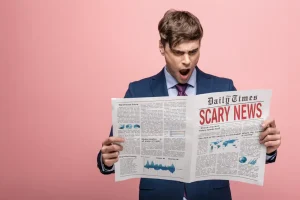

A strange disappearance, an unexplained event, or a shocking crime can capture public attention within minutes. Scary news viral true crime stories spread quickly because they combine real human experiences with mystery, fear, unanswered questions, and the desire to understand what happened. Social media makes these stories even more powerful by allowing millions of people to watch, discuss, investigate, and share updates in real time.
However, not every frightening headline tells the complete story. Some reports are supported by verified evidence, while others rely on rumors, dramatic editing, or speculation. Understanding why these stories become popular helps readers separate genuine reporting from online sensationalism. It also explains why responsible coverage matters when real people and families are involved.
Why Do Scary News Stories Become Viral So Quickly?
Scary stories attract attention because they create an immediate emotional response. A mysterious sound, an unexplained disappearance, or an unusual incident can make people curious about what happened and whether something similar could happen to them. Fear encourages attention, while uncertainty encourages people to search for more information.
Online platforms make this response even stronger. A person might see a short video, share it with friends, and then encounter dozens of reactions and theories. Each new post can bring additional attention to the original story. Before reliable information becomes available, the event may already be trending.
The popularity of scary news viral true crime content also reflects how people respond to incomplete information. When a story has unanswered questions, audiences often try to connect details and form their own explanations.
How Do Fear and Curiosity Influence Online Sharing?
Fear and curiosity are powerful reasons people share unusual stories. A frightening headline can make someone stop scrolling because it promises information about a possible threat or mystery. A strange video can create the same reaction by showing something viewers cannot immediately explain.
Curiosity also creates a desire for updates. Readers may return to the same story several times as new information appears. This repeated attention can increase engagement and encourage platforms to recommend similar content.
There is an important difference between curiosity and accuracy, though. A story that attracts attention is not automatically reliable. Readers should consider the source, date, evidence, and context before sharing it.
Why Do Unanswered Questions Make Stories More Popular?
People naturally look for explanations when information is incomplete. If a report describes an unusual event but provides few verified details, audiences may create their own theories. Online discussions then become part of the story itself.
This pattern is common in missing-person cases and unexplained incidents. A photograph, a timeline, or a short recording may lead to hundreds of interpretations. Some discussions identify useful information, but others turn ordinary details into suspicious claims without evidence.
For publishers covering scary news viral true crime, the challenge is to maintain public interest without presenting speculation as fact.
What Makes Uncanny Events So Fascinating?
Uncanny events are experiences that seem strange, unsettling, or difficult to explain. They may involve unusual sounds, unexpected objects, unexplained sightings, strange coincidences, or recordings that appear to show something out of place.
These events attract attention because they challenge people’s expectations. A familiar location can feel frightening when something unusual happens there. A quiet street captured on a security camera may become the center of an online discussion if viewers notice an unexpected movement or unfamiliar figure.
Not every unusual event has a mysterious explanation. Poor lighting, camera distortion, reflections, environmental conditions, and editing can make ordinary situations appear extraordinary.
How Do Strange Videos Create Online Mysteries?
Short videos are especially effective at creating mystery because they rarely provide complete context. A recording may show only a few seconds of an incident, leaving viewers unaware of what happened before or afterward.
For example, a security camera clip might show a door moving unexpectedly. Some viewers may describe it as paranormal activity, while others may suggest wind, a faulty latch, or pressure changes inside the building. Without the original recording and information about the location, neither explanation should be treated as proven.
The same issue appears in scary news viral true crime discussions. A video can provide useful evidence, but it must be examined alongside reliable reporting and other available information.
Why Do Paranormal Claims Continue to Attract Attention?
Stories about ghosts, unexplained sounds, abandoned buildings, and mysterious sightings have remained popular across generations. Digital platforms have simply made it easier to distribute them.
People may enjoy paranormal content for entertainment, cultural interest, or personal curiosity. Some approach these stories with skepticism, while others interpret them through spiritual or traditional beliefs.
Responsible publishers should distinguish between documented events and supernatural interpretations. Describing a recording as unexplained is more accurate than claiming it proves the existence of something paranormal. That small difference helps maintain trust with readers.
How Does True Crime Become a Media Sensation?
True crime examines real criminal cases, investigations, legal proceedings, and the people affected by them. Documentaries, podcasts, news reports, and social media discussions have made the genre widely accessible.
The subject attracts audiences because it combines human behavior, investigative questions, evidence, and the justice system. Readers may want to understand how a crime occurred, why an investigation developed in a particular direction, or how authorities identified a suspect.
Yet real cases are not fictional mysteries. They involve victims, families, witnesses, and communities that may continue to experience the consequences long after media attention moves elsewhere.
Why Are Missing-Person Cases Widely Discussed?
Missing-person cases often attract significant attention because people want to help locate someone who may be in danger. Sharing an official photograph, description, or police appeal can increase awareness and potentially bring useful information to investigators.
However, public interest can also lead to speculation about family members, friends, or other people connected to a case. An unverified accusation can damage reputations and create additional distress for people already dealing with uncertainty.
The 2026 disappearance of Nancy Guthrie in Arizona illustrates the risks of online speculation. Her case attracted amateur investigators, livestreamers, and social media personalities. The Los Angeles Times reported that unverified theories spread online and that authorities publicly urged people to stop targeting her family with unsupported accusations.
This example demonstrates why scary news viral true crime coverage should prioritize verified information, especially when an investigation remains active.
Can True Crime Reporting Help Solve Cases?
Responsible reporting can support investigations by making important information available to the public. News organizations can share official appeals, verified timelines, witness requests, and updates from investigators.
Online audiences may also identify information that deserves further examination. In some cases, public contributions have helped authorities identify people or locate relevant evidence.
However, amateur investigation has clear limits. Social media users may misunderstand evidence, mistake unrelated details for clues, or contact people who have no connection to a crime. Useful tips should go to the appropriate authorities rather than becoming public accusations.
How Do Social Media Platforms Amplify Scary News?
Social media has changed how frightening stories reach audiences. Traditional news organizations usually publish reports through editorial processes, while social platforms allow almost anyone to share a video, claim, or personal interpretation.
Recommendation systems can then show popular content to larger groups of users. Posts that attract comments, reactions, and shares may receive additional exposure. This creates an environment in which emotional stories can travel quickly, even when important facts remain uncertain.
The result is a constant flow of scary news viral true crime material across video platforms, discussion forums, podcasts, and messaging applications.
Why Do Short Videos and Dramatic Headlines Attract Attention?
Short videos provide information quickly. A creator can introduce a case, show selected footage, and present a theory within a minute. This format is convenient, but it can leave out important details.
Dramatic headlines create a similar effect. Words such as mysterious, shocking, terrifying, and unexplained can encourage clicks. However, a headline may exaggerate an ordinary development or imply that a theory has been confirmed.
A responsible reader should look beyond the headline. The complete article may reveal that authorities have not confirmed the central claim or that the video is older than the post suggests.
How Can Algorithms Turn Rumors Into Trending Stories?
When users engage with a particular subject, platforms may recommend related material. Someone watching a missing-person report could soon receive videos from amateur investigators, commentary channels, and accounts presenting competing theories.
This can create an information bubble. Repeated exposure may make an unsupported claim appear widely accepted, even when the same rumor is being repeated by a small group of accounts.
The News Literacy Project has warned that breaking news events can quickly attract conspiracy theories and misinformation. Its April 2026 analysis of online reactions to a shooting at the White House Correspondents’ dinner highlighted how social media can amplify false claims during major events.
For readers following scary news viral true crime, popularity should never be treated as proof.
What Are the Risks of Sensational True Crime Coverage?
Sensational coverage presents real events primarily as entertainment. It may emphasize shocking details, dramatic music, disturbing imagery, or dramatic theories while giving less attention to evidence and the people affected.
This approach can make a story more engaging, but it can also create serious problems. Victims may become secondary characters in their own stories, while suspects may receive unnecessary attention or even become the subject of online admiration.
The ethical responsibility of a publisher does not disappear because a story is popular.
How Can Viral Coverage Harm Victims and Their Families?
Families affected by crime may already be experiencing grief, uncertainty, and public attention. Repeated videos, unwanted messages, online accusations, and intrusive questions can make the situation more difficult.
A 2025 peer-reviewed study by researchers Kelli S. Boling and Danielle C. Slakoff examined interviews with 20 people whose loved ones had been featured in true crime productions. Participants described problems involving inaccurate information, sensationalism, loss of privacy, online harassment, and limited control over how their stories were presented.
This research shows that media attention can have consequences beyond the initial publication. Responsible scary news viral true crime reporting should respect families’ privacy and avoid treating personal suffering as a source of entertainment.
Why Should Journalists Avoid Unverified Accusations?
An accusation can spread much faster than a correction. If an innocent person is named in a viral post, the claim may remain visible even after authorities reject it.
Journalists and content creators should use careful language when discussing suspects, witnesses, and people connected to a case. They should distinguish allegations from confirmed facts and explain when information comes from an official statement rather than independent verification.
They should also avoid publishing private information that could expose individuals to harassment or physical danger. Accuracy and restraint are not obstacles to good storytelling. They are essential parts of it.
How Can Readers Identify Reliable Scary News and True Crime Stories?
Readers do not need professional journalism training to evaluate online stories. A few basic checks can help them identify reliable reporting and avoid spreading misleading claims.
First, consider who published the information. Established news organizations, official agencies, court records, and named experts generally provide stronger starting points than anonymous social media accounts. This does not mean established outlets never make mistakes. It means their reporting can usually be checked against identifiable sources.
Second, look for independent confirmation. If a serious claim appears on only one unfamiliar account, wait for additional reporting before accepting it.
What Should You Check Before Sharing a Frightening Story?
Before sharing scary news viral true crime content, consider these practical checks:
-
Original source: Find out where the image, video, or claim first appeared.
-
Publication date: Check whether old footage is being presented as a recent event.
-
Official information: Look for statements from relevant authorities or credible news organizations.
-
Evidence: Separate confirmed details from personal theories and anonymous claims.
-
Context: Read the full report rather than relying on a short clip or headline.
These steps can prevent misleading information from spreading. They also encourage healthier online discussions by making evidence more important than dramatic reactions.
How Can Readers Recognize Edited or Misleading Videos?
A video may be genuine but still misleading. It could be cropped, slowed down, edited, or presented without information about where and when it was recorded.
Reverse image searches can help locate earlier versions of photographs. Searching distinctive phrases from a headline may also reveal whether other publications have reported the same event.
Readers should be especially cautious with AI-generated images and synthetic audio. Modern editing tools can create realistic scenes that appear to document events that never happened. When authenticity is uncertain, it is better to describe the material as unverified than to repeat it as evidence.
What Is the Future of Viral Crime and Uncanny News?
The future of scary news viral true crime content will likely involve more video-based reporting, AI-generated material, online investigation communities, and real-time audience participation.
These developments can make information more accessible, but they also increase the responsibility of publishers and platforms. Audiences need clear explanations of what is confirmed, what remains uncertain, and where information comes from.
Artificial intelligence will make verification increasingly important. Tools may help journalists examine large collections of images, compare timelines, and identify altered media. At the same time, synthetic videos and misleading audio may become harder for ordinary viewers to recognize.
The strongest publishers will combine engaging storytelling with careful fact-checking, respect for victims, and transparent sourcing. They will understand that a frightening story does not need exaggerated claims to hold attention.
Conclusion
Scary stories, uncanny events, and true crime cases attract attention because they connect mystery with real human concerns. Social media has made these subjects easier to share, discuss, and investigate, but it has also increased the risk of rumors, false accusations, and sensational reporting.
The popularity of scary news viral true crime content creates opportunities for responsible journalism to raise awareness and explain important cases. However, readers and publishers must remember that real investigations involve real people. Verified evidence, respect for privacy, and thoughtful reporting should always matter more than clicks and online attention.
FAQs
1. Why do scary news stories go viral on social media?
Scary news stories often go viral because they create strong emotional reactions and leave audiences wanting answers. Fear, curiosity, dramatic visuals, and repeated recommendations encourage people to watch and share content, sometimes before journalists or authorities have confirmed the available information.
2. What makes a true crime story different from ordinary crime news?
True crime usually examines a real case in greater depth, including its background, investigation, evidence, legal proceedings, and human consequences. Ordinary crime news may focus on a single development, while true crime often follows the case over time and explores unanswered questions.
3. How can I tell whether a viral crime story is real?
Check the original source, publication date, official statements, and independent reporting from credible news organizations. Look for evidence that supports the main claim. Be cautious when a story relies on anonymous accounts, edited videos, or dramatic theories without reliable confirmation.
4. Why do people enjoy watching mysterious and paranormal news stories?
Mysterious stories appeal to curiosity and the desire to understand unusual experiences. They can also provide suspense and entertainment. Some people approach paranormal claims as cultural or spiritual subjects, while others enjoy examining possible scientific or ordinary explanations for strange events.
5. Can sharing true crime stories online help solve real cases?
Sharing verified missing-person appeals, official photographs, and relevant information can help raise awareness. However, spreading rumors or accusing people without evidence can harm innocent individuals and interfere with investigations. Useful information should be submitted to the appropriate authorities rather than presented as online proof.